50% OFF YOUR FIRST ORDER WITH CODE: BARF50

SHOP NOW

This section doesn’t currently include any content. Add content to this section using the sidebar.

Image caption appears here

Add your deal, information or promotional text

  • 1 min read

Transitioning Your Puppy from Kibble to the BARF Diet

A Comprehensive Guide to an Easy Transition with Minimal Digestive Upset
There are numerous health benefits to switching your puppy from dry kibble to a Biologically Appropriate Raw Food (BARF) diet, including firmer stools, better digestion, healthier skin and coat, and increased vigor. To avoid upset stomachs, diarrhea, or stress on a developing digestive system, it's crucial to carefully manage the transition, just like with any significant dietary change.

Why Puppies May Benefit from the BARF Diet

Puppies are biologically designed to eat raw meat, bones, and organs, just like their wild ancestors. When a raw diet is appropriately changed, it can:

  • Encourage healthy growth with the best possible nutrients and energy.
  • Boost immunity and cognitive development with premium proteins and omegas
  • Minimize gastrointestinal problems and produce firmer, smaller stools.
  • Compared to processed kibble, offer a more natural nutritional balance.

However, rapid meal changes, particularly for puppies, can shock the digestive tract and cause loose stools, gas, diarrhea, or vomiting. It's crucial to follow a well-thought-out plan if you want your puppy to have a seamless transition.

Which Transition is Better, Fast or Slow?

A fast transition and a slow transition are two transition strategies that we encourage that can be specific to your puppy's digestive resilience.

Quick Switch (Fast Transition)

For healthy puppies without a history of gastrointestinal problems, this approach is frequently advised:

  • Before the first raw meal, some owners begin with a 12- to 24-hour fast (note: this is not usually advised for extremely young puppies; see your veterinarian first). Leftover kibble can be eliminated, and the intestines can be "reset" by fasting.
  • Introduce BARF Diet exclusively: After the fast is over, exclusively feed the BARF diet; do not serve mixed meals or kibble. Mixing raw food and kibble can irritate and confuse the digestive system since they digest differently.
  • Observe and Support: At first, puppies may have softer stools or moderate diarrhea. If the raw food is introduced properly and the pup stays active and hydrated, this is often temporary.

Gradual Mix, or Slow Transition

A slower approach is better if your puppy is particularly young, has a history of digestive distress, or has a sensitive stomach:

  • Start with a Small Quantity of Raw: Feed 10%
    BARF in the evening and 90% of the regular kibble on the first day.
  • Increase the raw meat gradually. Reduce the kibble by 10% and increase the raw amount by around 10% per day. You should achieve a 100% raw diet in ten to thirteen days.
  • Regular Feeding Schedule: To facilitate easier digestion, feed modest, regular meals twice a day as opposed to one big meal. A puppy's stomach trouble is sometimes caused by eating too quickly, which can be avoided with frequent smaller meals.

Managing Tummy Upset and Diarrhea During the Switch

Even with a slow transition, some puppies may exhibit mild diarrhea. Here’s how to address it effectively:

Probiotics and Digestive Support

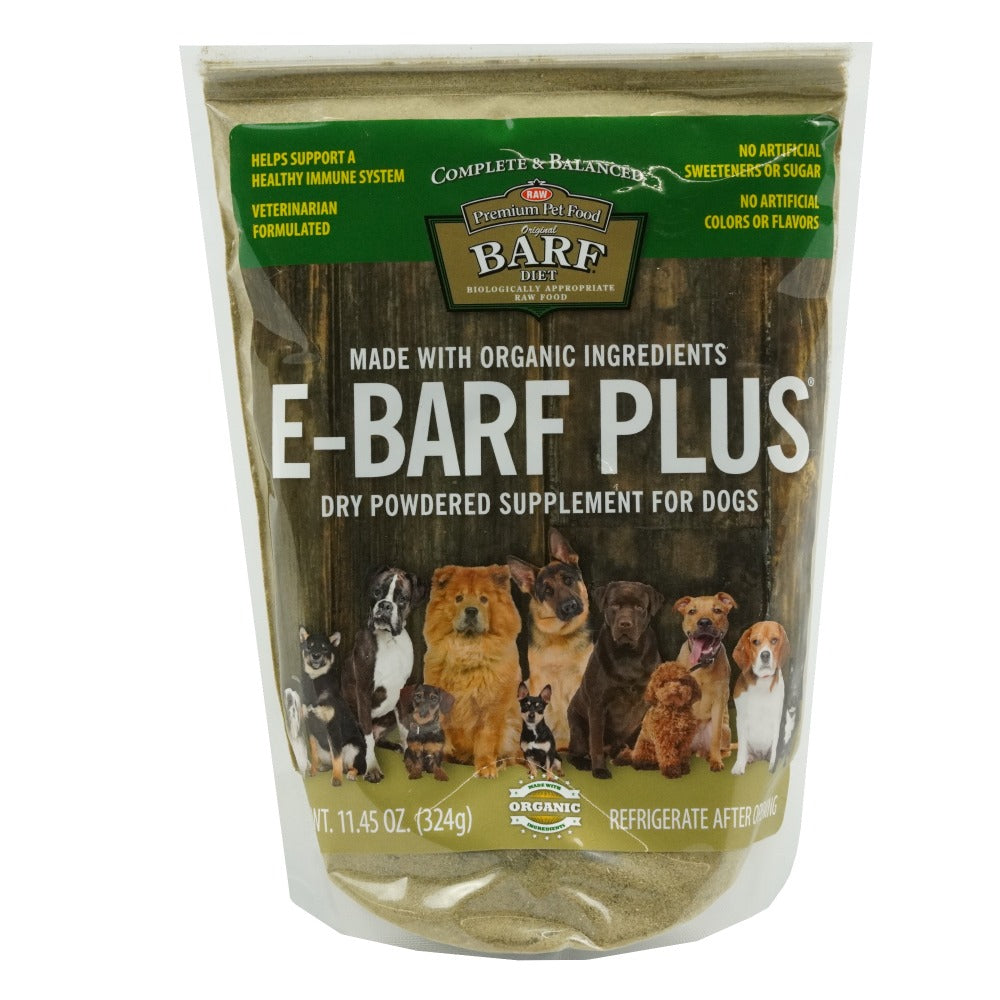
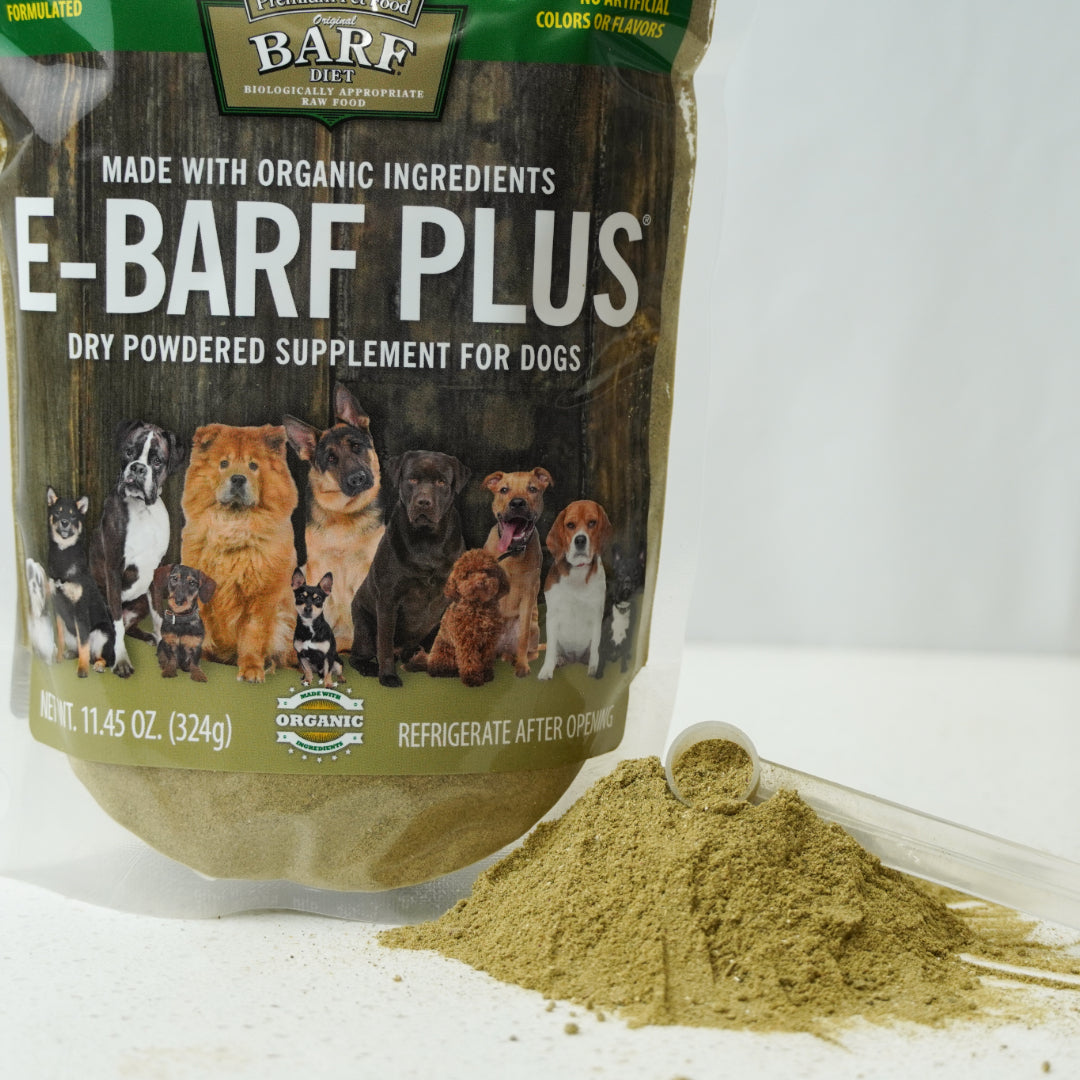
BARF World recommends using a probiotic/enzyme supplement like E-BARF Plus during the transition phase to strengthen the gut flora and support digestion. The suggested dosage is 1 teaspoon per 5 lbs of body weight for puppies. Plain yogurt or kefir can also help provide beneficial bacteria.

These probiotics can help stabilize stools and reduce the severity of diarrhea by improving nutrient absorption and balancing gutbacteria.

Short Fasts and Reintroduction

If diarrhea occurs:

Stop feeding for twelve hours. Offer the digestive system a break. This is especially helpful if your puppy appears uncomfortable or is on the larger side.

Reintroduce food in smaller servings. Feed very little pieces of BARF several times a day instead of big meals after the fast. Your puppy's bowels may settle as a result.

Avoid mixing kibble and raw in the same meal. One common mistake is combining raw with kibble or canned food in the same meal. Since these diets require different digestive enzymes and timelines for breakdown, mixing them can lead to unnecessary stress on the GI tract and worsen diarrhea.

When to Call the Vet

If your puppy is hydrated, active, and interested in food, the majority of mild diarrhea should go away in a day or two. Nonetheless, veterinarian care is advised if:

  • Frequent or chronic diarrhea
  • Your puppy starts acting sluggish.
  • Diarrhea is accompanied with vomiting.
  • Dehydration symptoms include lethargy and dry gums.

Raw Food Tips for Success 

  • Remain consistent: Instead of introducing different meats during the changeover, maintain the same sources of protein. Changing proteins too rapidly will irritate your stomach even more.
  • Keep an eye on hydration. Since raw food contains more moisture, puppies on a raw diet tend to drink less. If stools are loose, keep providing fresh water and promote drinking.
  • Don't rush variety of foods and protein. After the transition is complete, gradually add new BARF proteins over several weeks as opposed to days.

When done carefully and patiently, switching your puppy from
kibble to a BARF diet may be a joyful experience that promotes long-term health. You may lessen stomach distress and prepare your puppy for success with raw feeding by selecting the appropriate transition plan, keeping a watchful eye out for any pain, and taking digestive support supplements as recommended by BARF World.

Working with your doctor will help you customize the plan to your puppy's specific needs if you are ever concerned about how your puppy is reacting throughout the transfer.

Monica Samson

Monica Samson

Monica is a mother of 3 kids and a dog named Rufio. Though her parents never allowed pets growing up, she has always been an animal lover and is thrilled to be able to provide a loving home for a pet need. Besides working full-time at BARF World®, she enjoys cooking and trying new recipes along with spending time with her family and her dog!

Search our shop