IMPORTANT UPDATE TO ELITE MEMBERSHIPS

CLICK FOR MORE INFO

  • 1 min read

Raw Dog Food Safety: Are Pet Parents Being Deceived?

Raw dog food safety has become one of the most debated topics in modern pet nutrition. With conflicting opinions from veterinarians, manufacturers, and regulatory agencies, many pet owners are left wondering who to trust. Are raw diets dangerous or have consumers been misled for decades about what truly constitutes a biologically appropriate diet for dogs and cats?

With more than 50 years of experience in raw pet food manufacturing, distribution, and regulation, I have witnessed the industry's evolution firsthand. This article explains the truth about raw dog food safety, FDA standards, nutritional biology, and the ongoing deception in pet food marketing today.

50 Years of Experience in Raw Dog Food Manufacturing

My career in raw pet nutrition spans more than five decades and includes partnerships in multiple dog food manufacturing facilities across the United States and internationally. I have worked as a distributor, manufacturer, and direct-to-consumer seller, giving me a comprehensive understanding of the raw pet food supply chain.

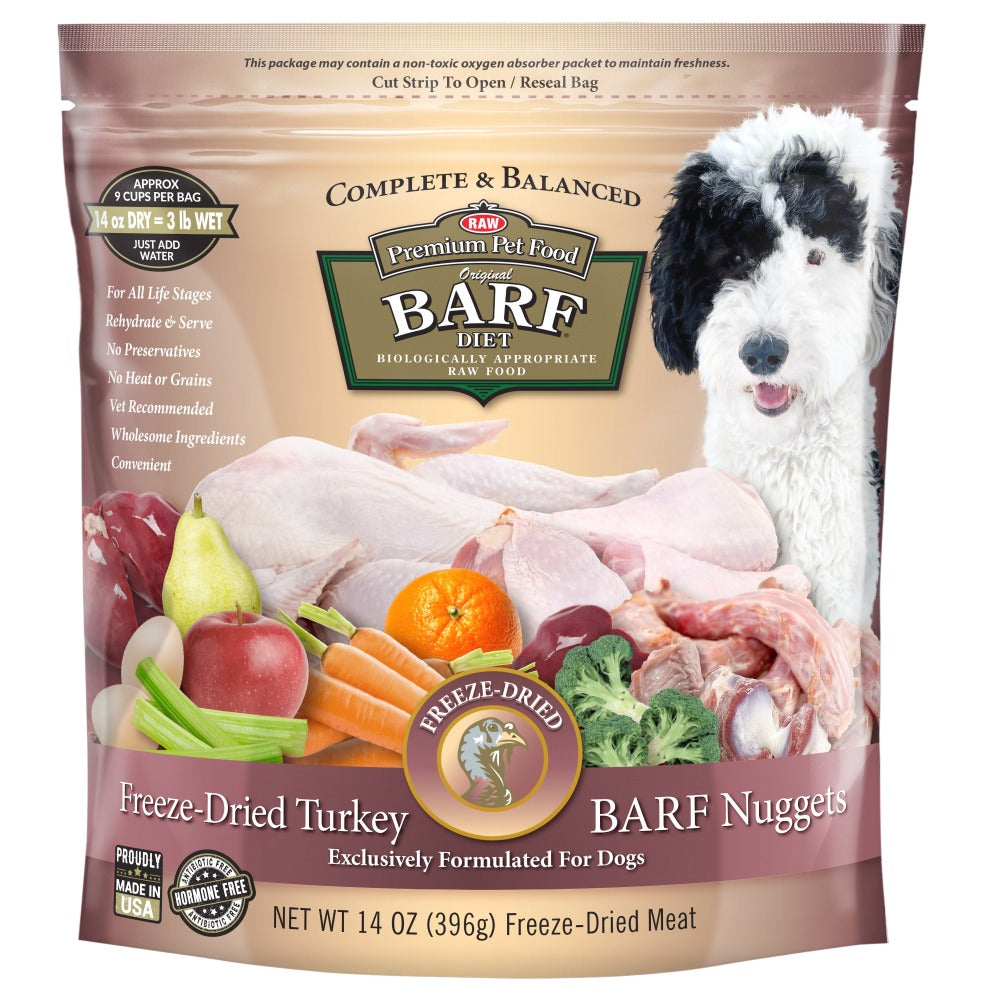
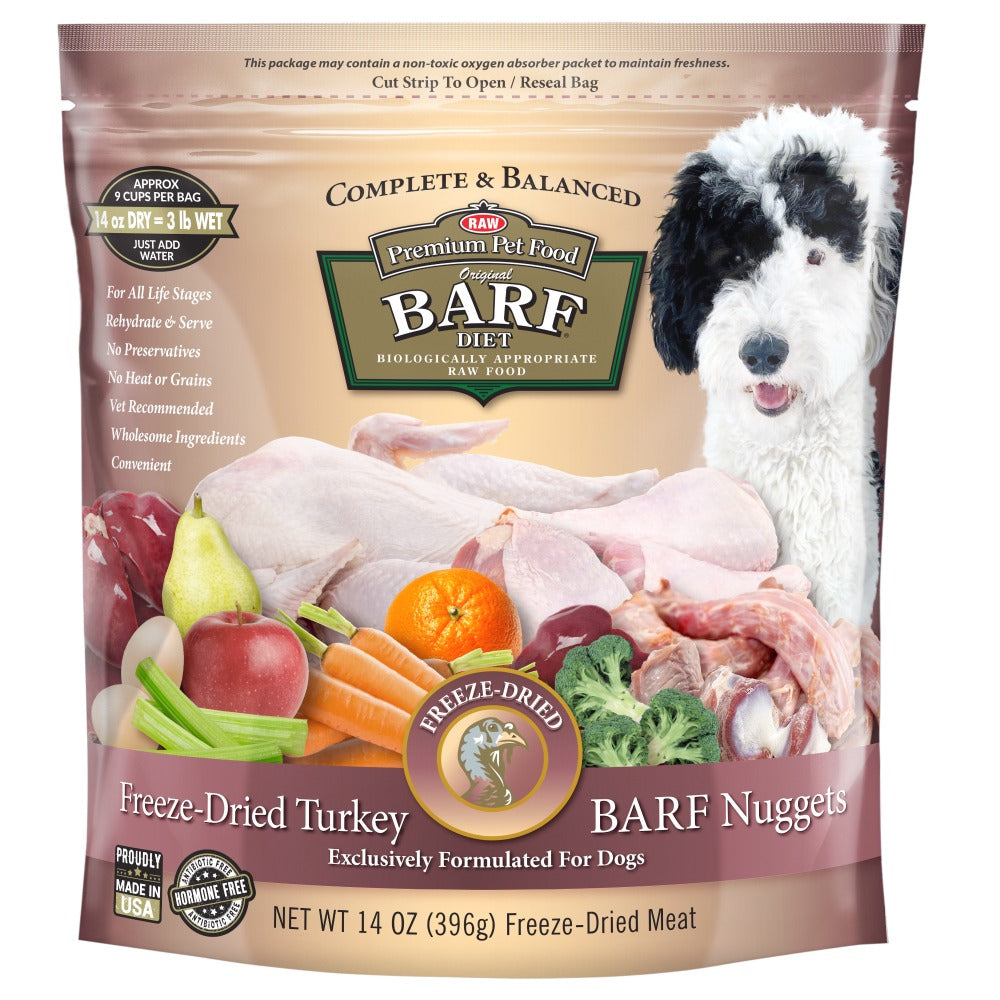
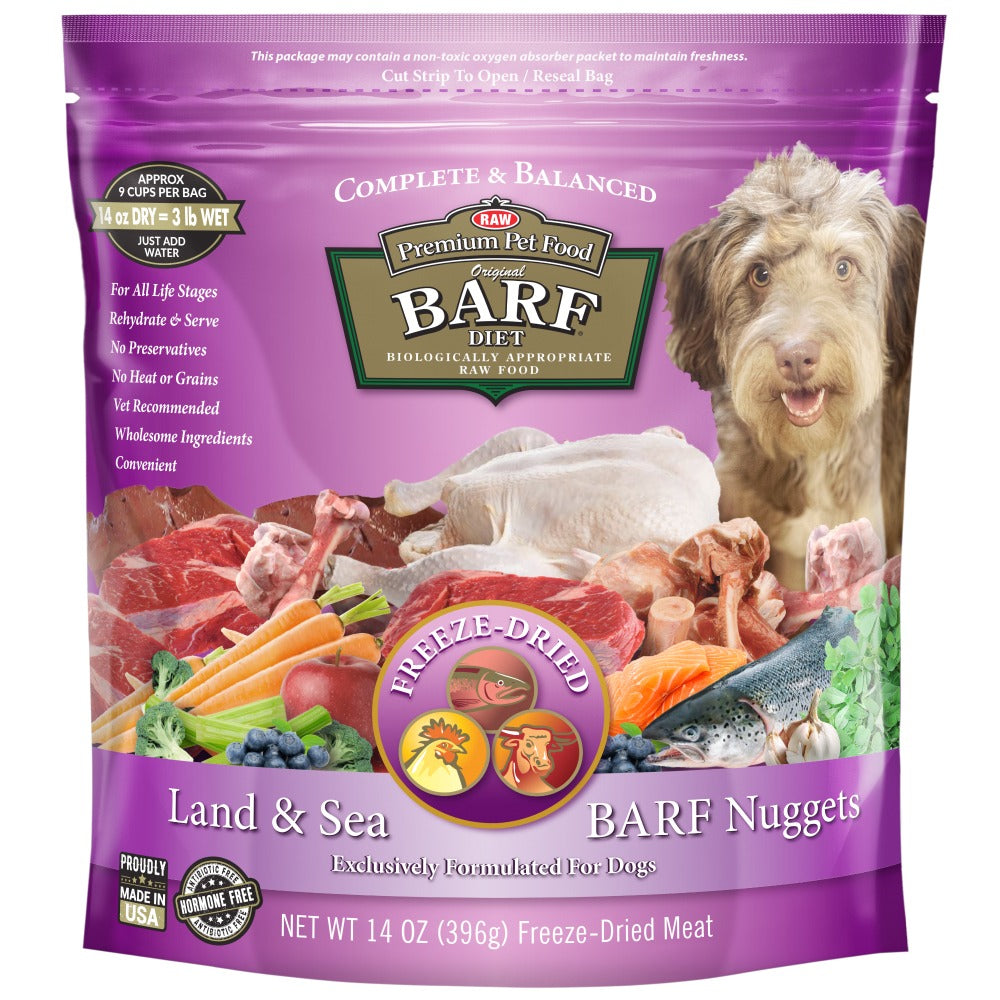
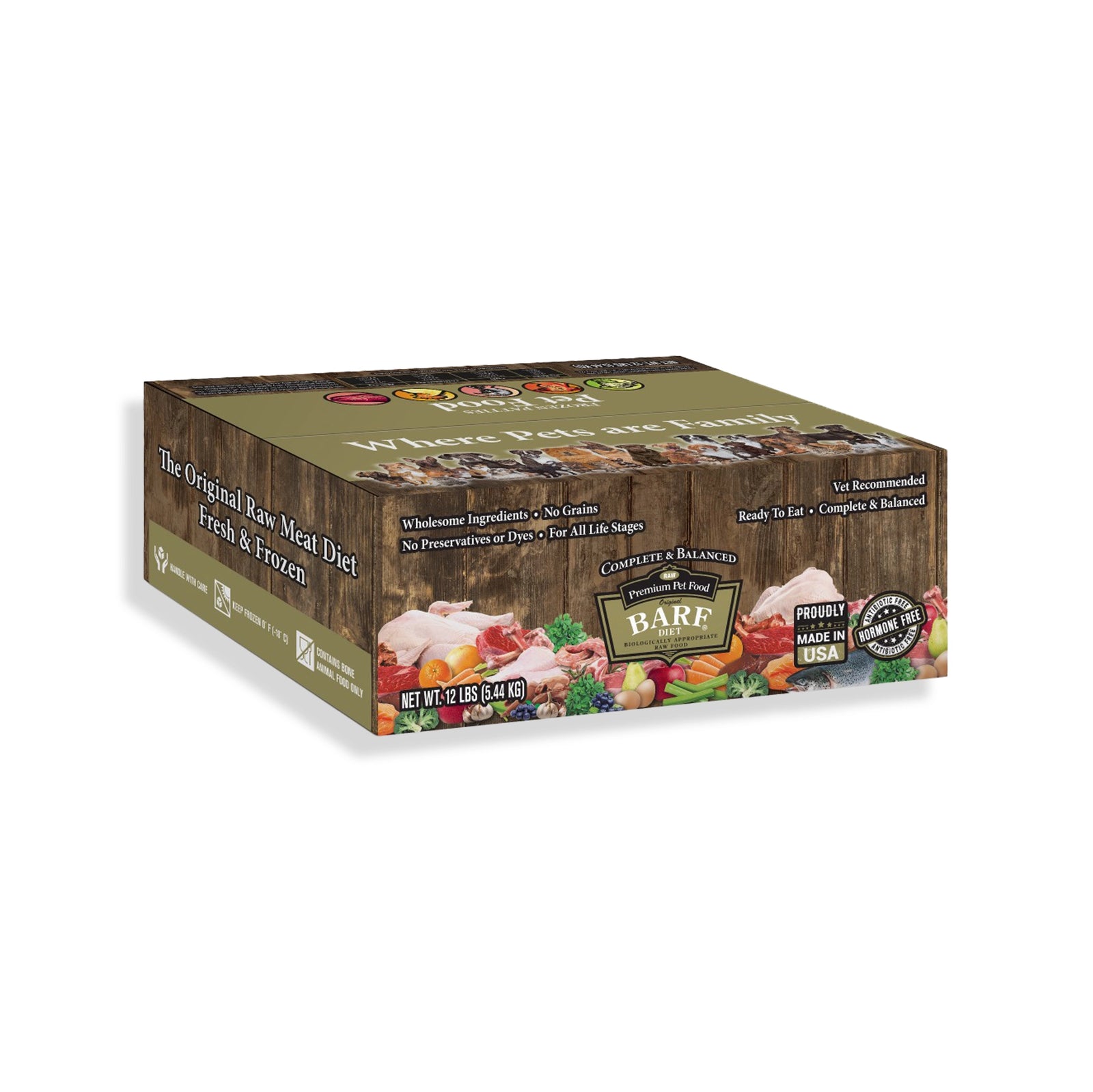
I was first introduced to raw feeding through the greyhound racing industry along the East Coast and in Florida. Supplying BARF® (Biologically Appropriate Raw Food) diets to racing kennels was challenging but formative. These early experiences laid the groundwork for a lifelong commitment to species-appropriate nutrition.

After twelve years, I expanded into supplying raw diets to zoological institutions across the country. Alongside three former competitors, I helped build the largest zoological animal feed business in the United States, serving over 90% of zoo carnivores with raw meat and plant-based diets. Working closely with leading exotic animal veterinarians further reinforced the biological necessity of raw, unprocessed nutrition for carnivores.
Raw Dog Food vs Kibble: How Processing Impacts Nutrition

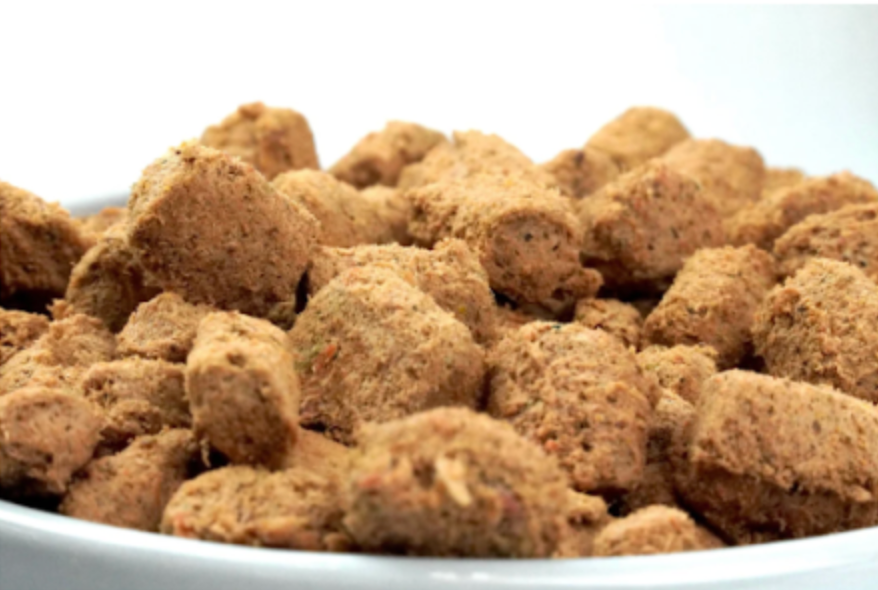
For nearly a century, pet owners have been encouraged to feed dogs and cats highly processed kibble. These diets were originally developed using human food waste and byproducts, designed to meet minimum nutritional requirements rather than biological suitability.

The problem lies in heat processing. Any food heated above approximately 118°F experiences significant nutrient degradation. Enzymes are destroyed, amino acids are altered, and the food’s biological function is compromised. While kibble may provide basic sustenance, it cannot replicate the nutritional integrity of raw animal protein.

Dogs and cats are carnivores by design. A biologically appropriate raw food diet more closely mirrors what these animals evolved to eat, preserving enzymes, amino acids, and natural moisture lost during heat processing. When comparing raw dog food vs kibble, raw diets offer superior nutritional bioavailability when properly manufactured.

The Rise of Raw Feeding and the BARF Philosophy

Over the last 25 years, acceptance of raw feeding has increased dramatically. I have spent much of my career educating pet parents on the benefits of feeding raw, unadulterated ingredients. Today, raw pet food represents one of the fastest-growing segments in the pet nutrition market.

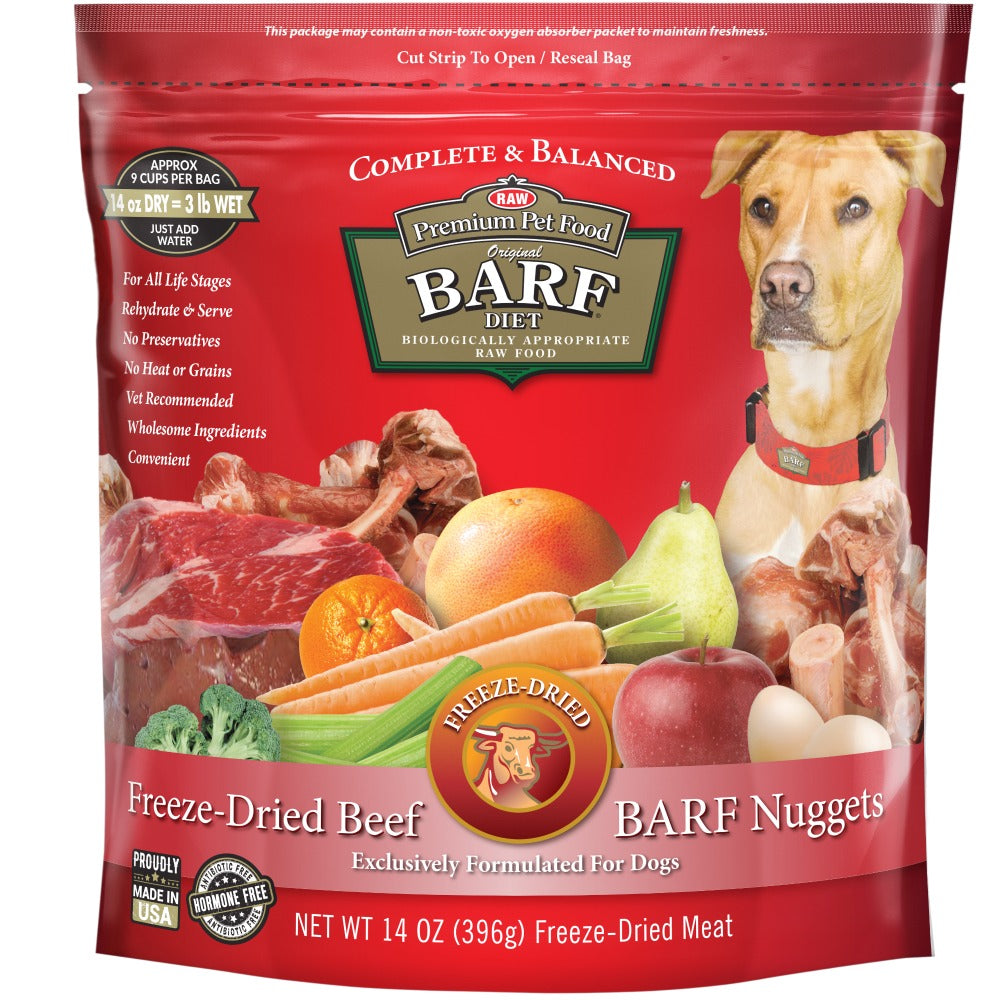
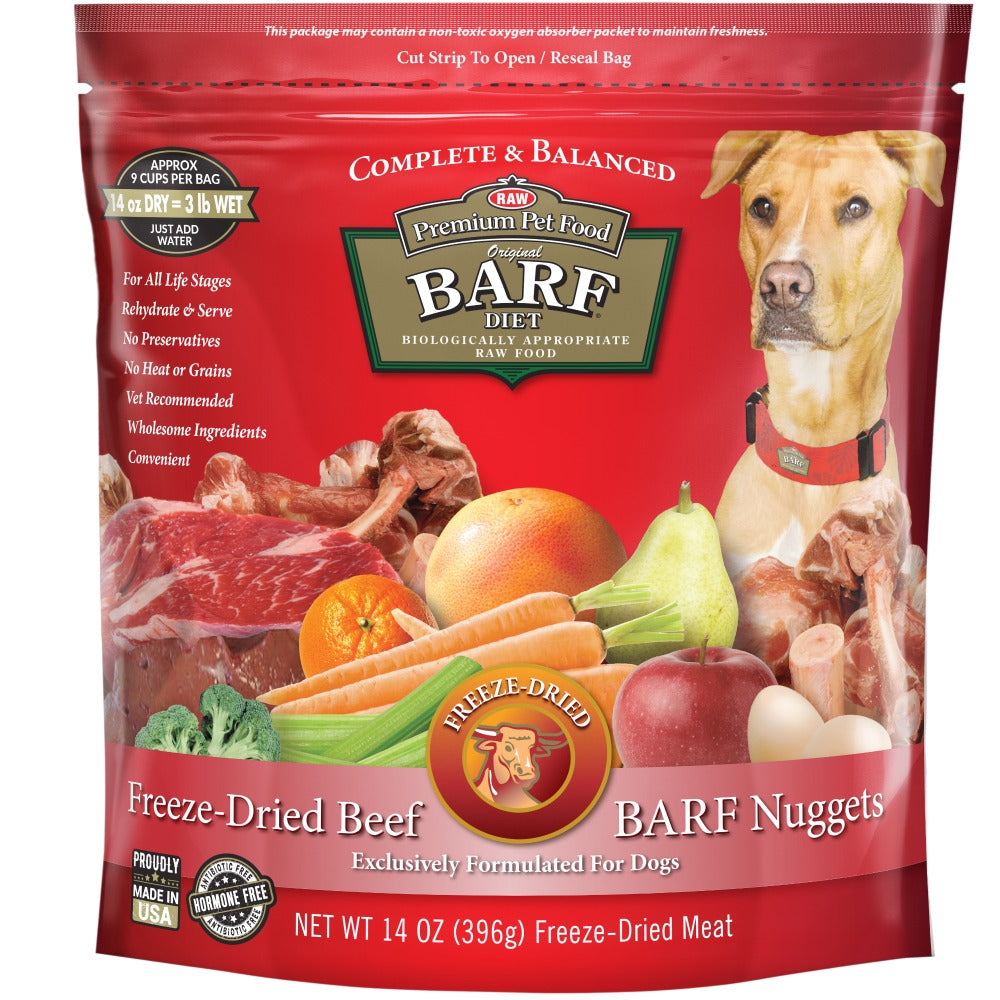
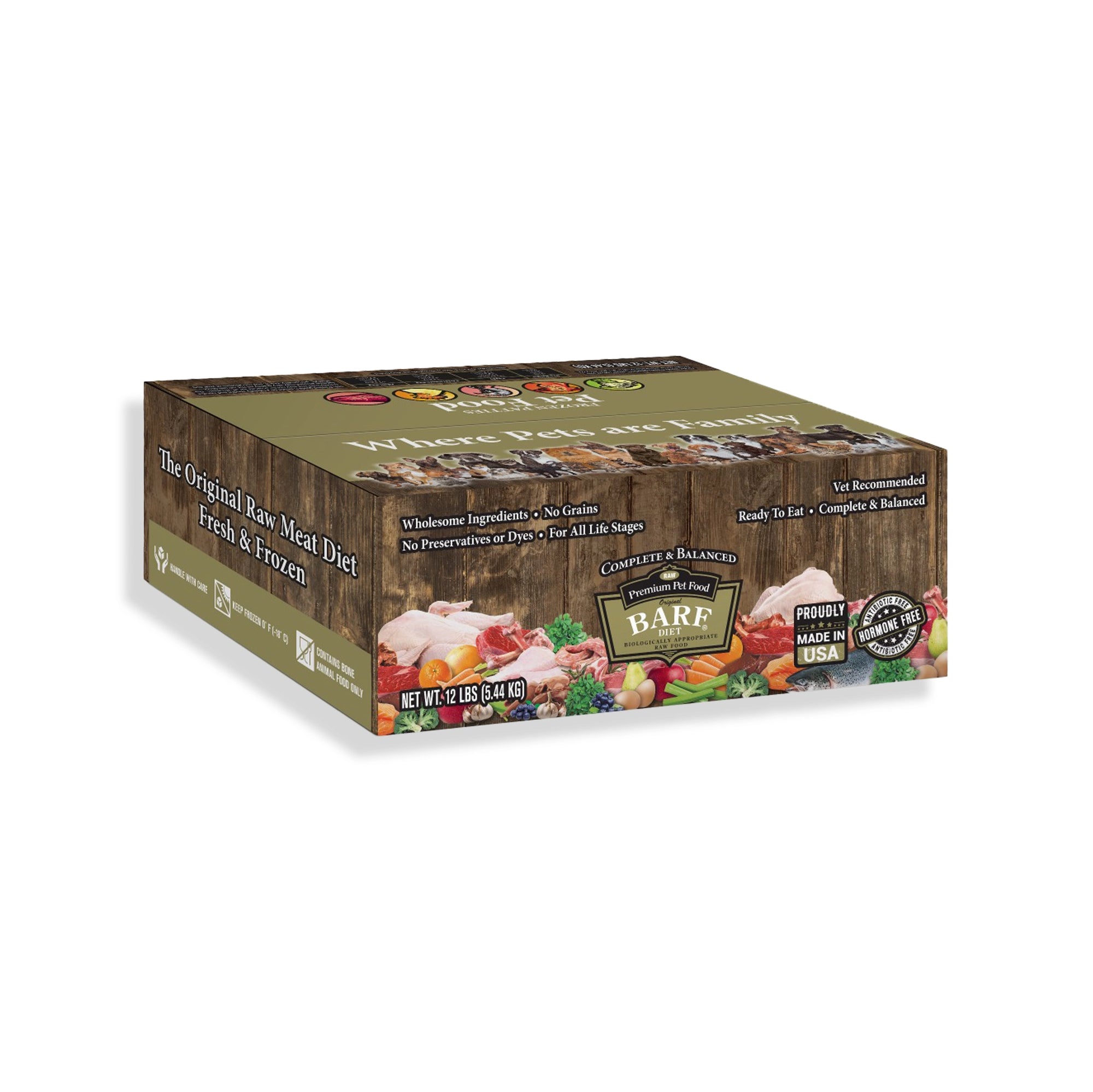
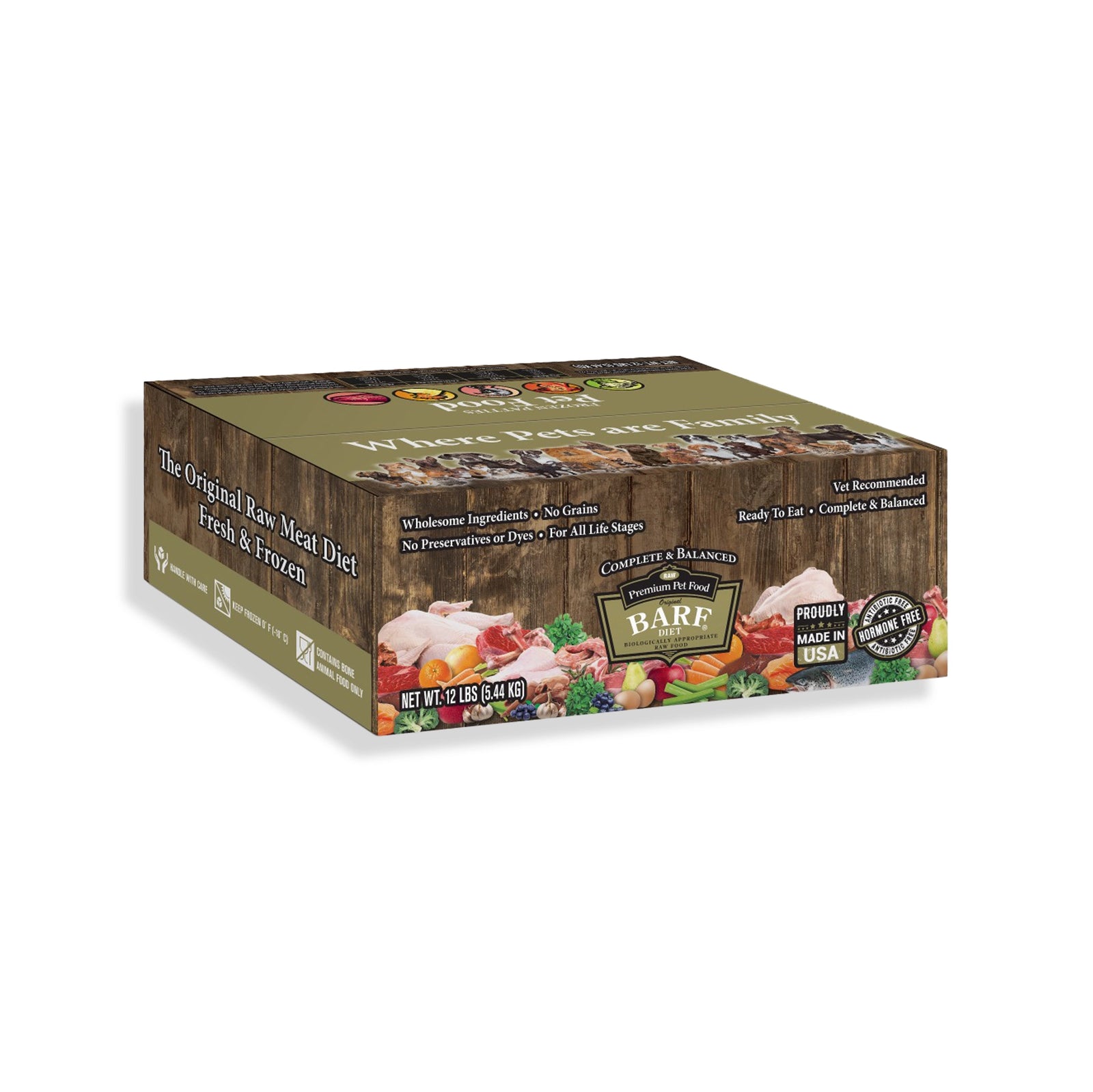
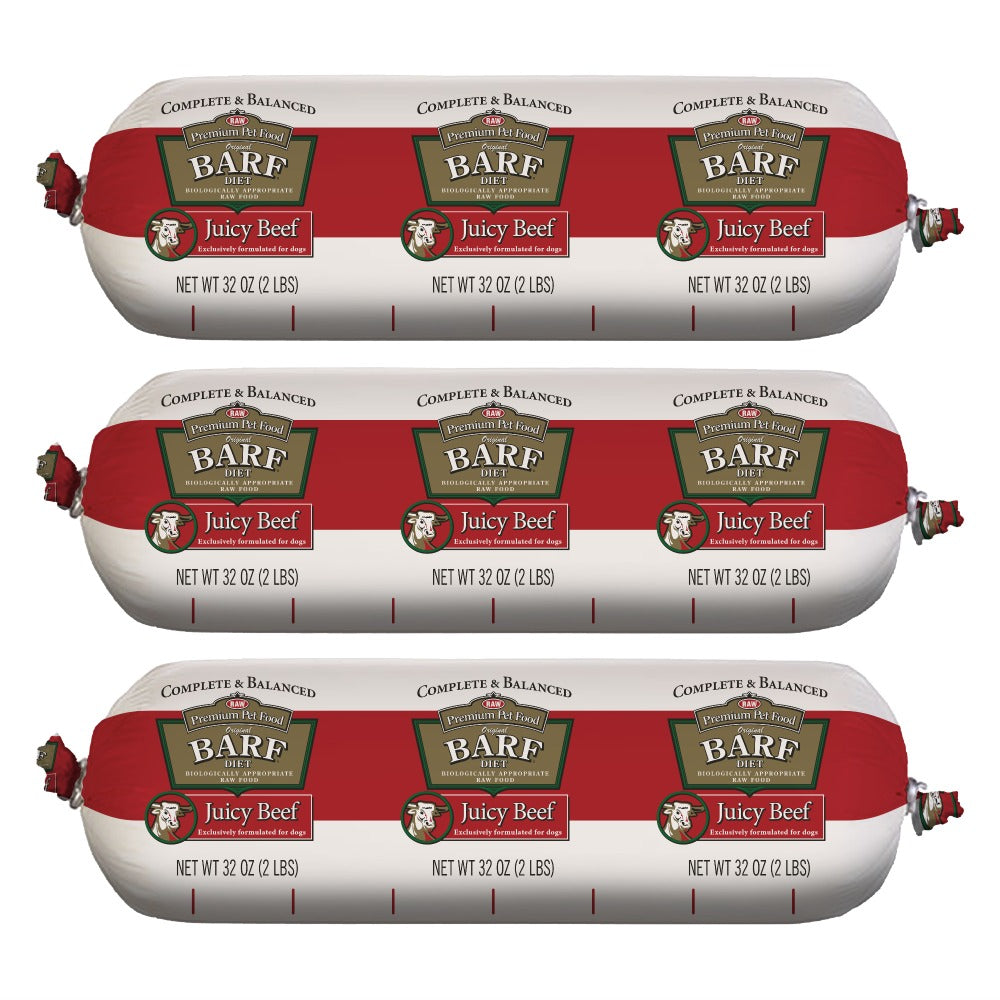
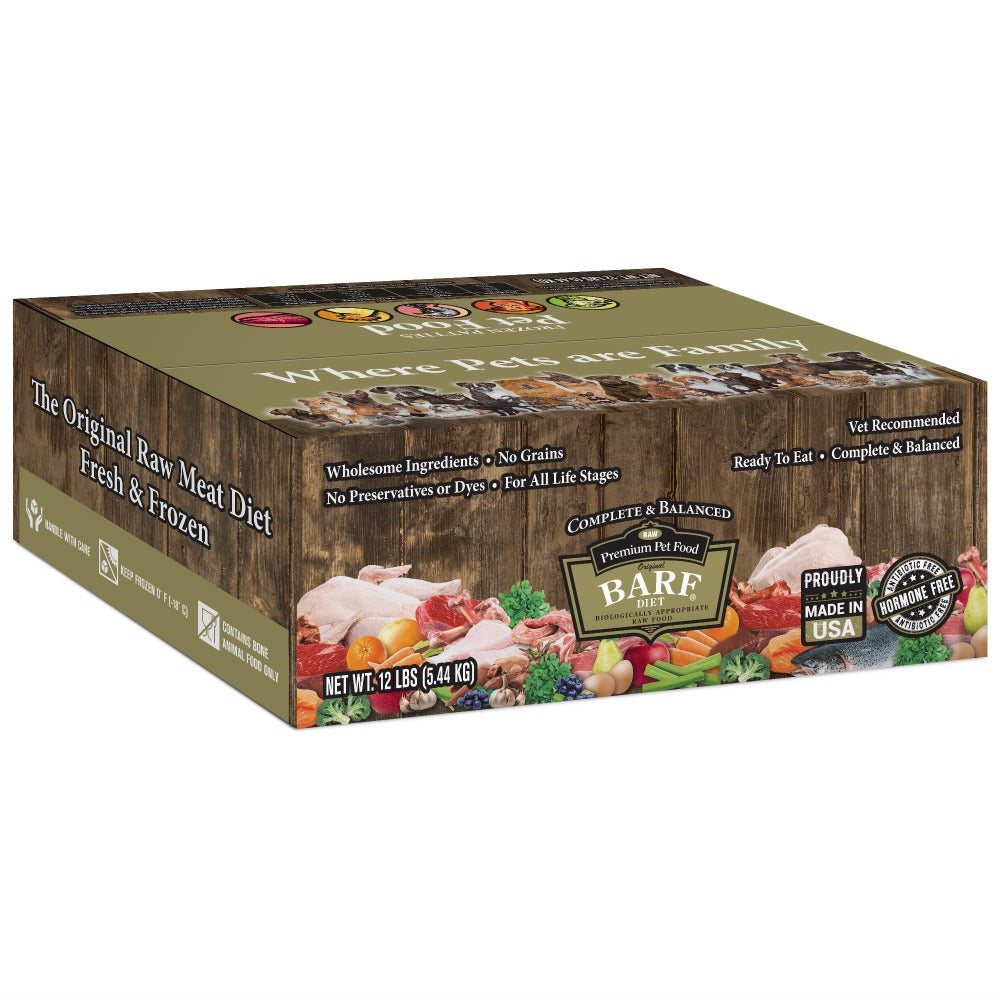
Our company embraced the term BARF®—Biologically Appropriate Raw Food,not as a marketing gimmick, but as a clear nutritional philosophy. This approach prioritizes raw animal protein, minimal processing, and biological alignment with a carnivore’s digestive system.

While many companies have entered the raw pet food market, not all follow the same standards. Some promote raw feeding while simultaneously selling heat-treated or plant-based products, creating confusion and diluting the philosophy for profit.

Is Raw Dog Food Safe? Understanding Bacteria and FDA Standards

One of the most common concerns surrounding raw dog food safety is bacterial contamination, particularly Salmonella. This concern is valid but often misunderstood.

The FDA enforces a zero-tolerance policy for harmful bacteria in raw pet food. These standards are stricter than those applied to human meat products, which may legally contain Salmonella because they are intended to be cooked.

Any raw pet food manufacturer that cannot provide evidence of a validated pathogen control process is putting consumers, pets, and its business at risk. These safety measures require significant investment, but they are essential for protecting public health and maintaining trust.

Responsible raw dog food manufacturers implement advanced bacterial mitigation processes that meet or exceed FDA requirements. Without these safeguards, companies expose themselves to lawsuits, recalls, and customer dissatisfaction.

Pet Food Labeling Deception and Ingredient Transparency

Another major source of deception in the pet food industry lies in labeling practices. Misleading ingredient names, creative spellings, off-site testing claims, and selective transparency are common in both the human and pet food markets.

Despite increased regulation, some companies continue to obscure ingredient sourcing and manufacturing standards. This makes it difficult for pet owners to accurately compare products or understand what they are truly feeding their animals.

For over 50 years, our company has remained committed exclusively to biologically appropriate raw nutrition. We do not sell plant-based or heat-treated pet foods, and we have never compromised this philosophy. We were among the first to introduce BARF-based nutrition to the market and continue to uphold the same standards today.

How to Choose a Safe and Reputable Raw Dog Food Company

Pet guardians should ask critical questions before choosing a raw diet:

  • What bacterial mitigation process is used?
  • Does the manufacturer meet FDA zero-tolerance standards?
  • Is third-party testing conducted regularly?
  • Are ingredients clearly and honestly labeled?

Transparency is not optional—it is essential.

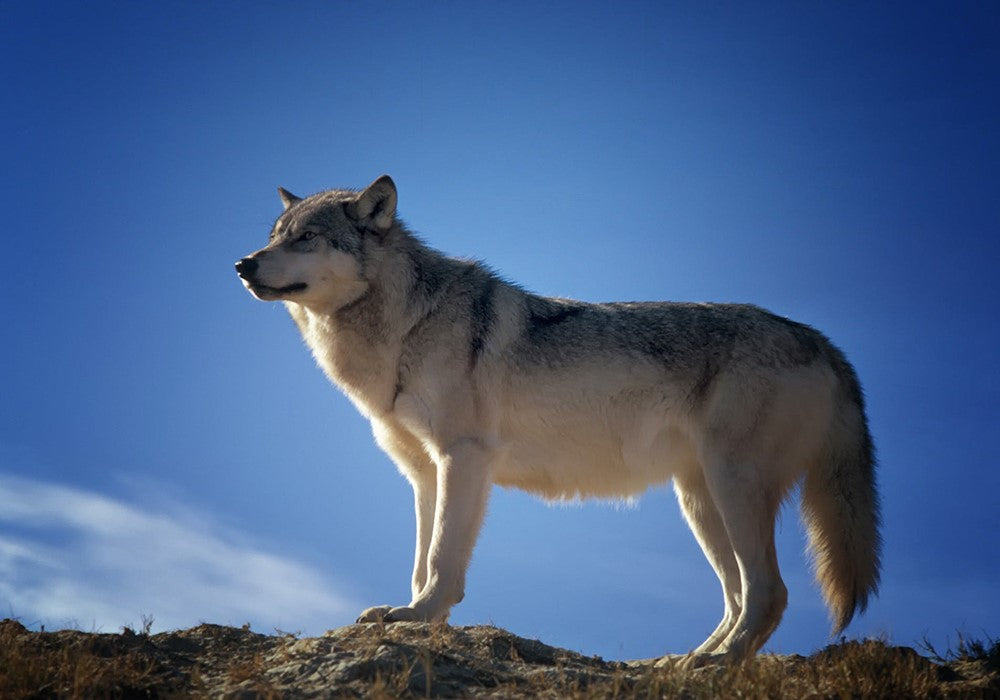
Wolf standing atop a ridge in front of a blue sky
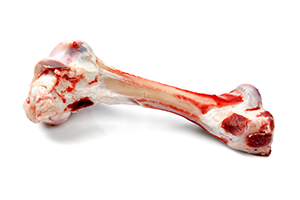
Bone with red met bits left over on its edges

Frequently Asked Questions About Raw Dog Food Safety

Is raw dog food safe for dogs?

Yes, when manufactured using FDA-compliant pathogen-control processes. Properly produced raw diets can be both safe and nutritionally superior.

Why does the FDA regulate raw pet food more strictly than human meat?

Because raw pet food is not cooked before consumption, the FDA enforces stricter bacterial safety standards to protect animals and households.

What is BARF dog food?

BARF stands for Biologically Appropriate Raw Food, a diet designed to match the evolutionary nutritional needs of carnivores.

How can I verify a raw dog food manufacturer’s safety claims?

Ask for documentation of FDA compliance, bacterial testing protocols, and manufacturing transparency.

Buyer Beware, Buyer Informed

My hope is that today’s pet guardians demand honesty, transparency, and biological integrity from the companies they trust. Raw dog food safety should never be assumed—it should be proven.

Ask questions. Demand answers. No deception is acceptable when it comes to your pet’s health.

Robert Mueller

Robert Mueller

Robert Mueller, BSc, Pharm. is a registered pharmacist, author of “Living Enzymes: The World’s Best Kept Pet Food Secret".With over 50 years of experience in raw pet food manufacturing and distribution, including supplying FDA-regulated raw diets to zoological institutions and companion animals. As the owner of Safari Raw Inc. and distributor for BARF World Inc., he is recognized as a pioneer in biologically appropriate raw nutrition.

Search our shop