

































Why Raw Bones Are Included in the BARF Diet
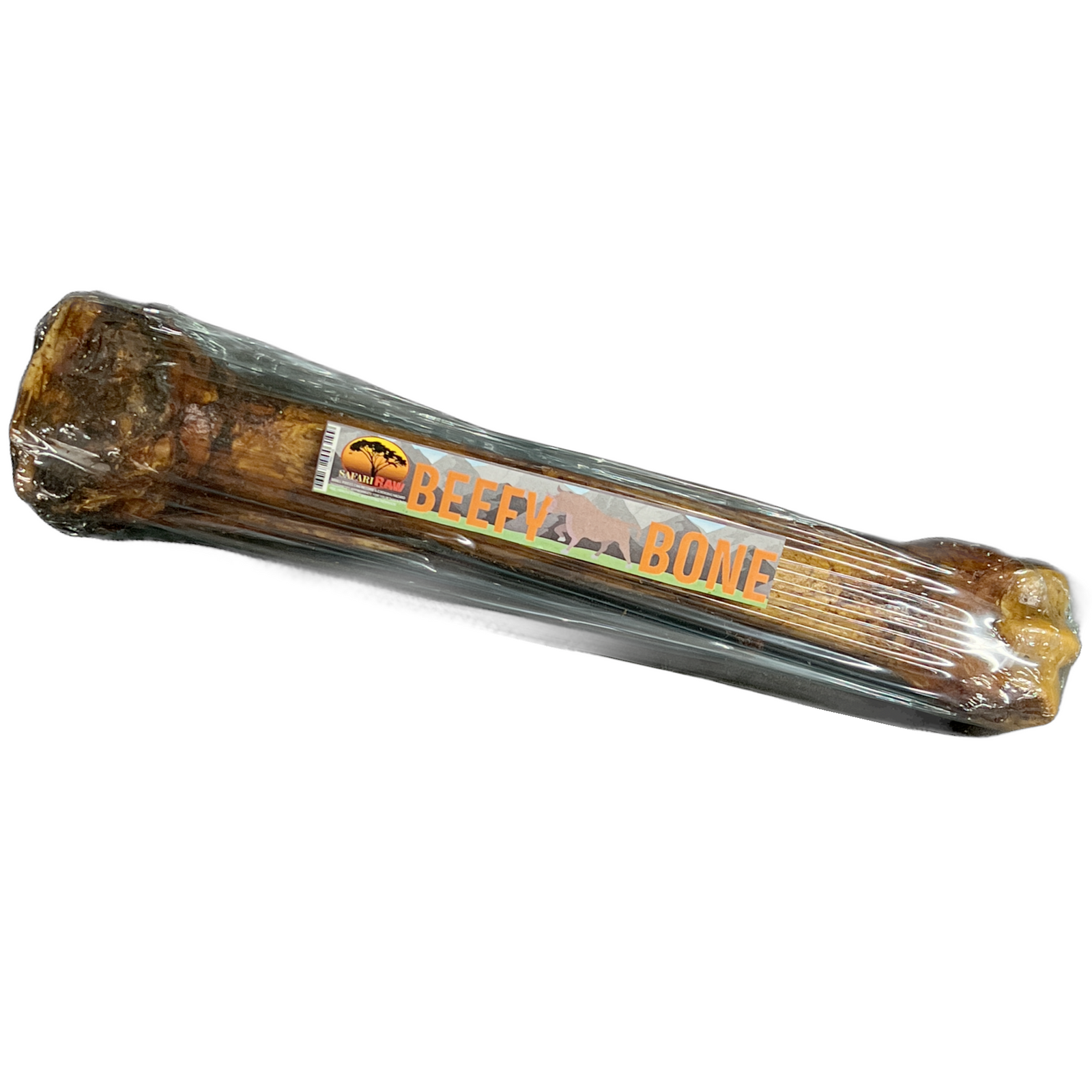
Raw bones are considered a foundational component of the BARF (Biologically Appropriate Raw Food) diet because they provide:
- Naturally balanced minerals, especially calcium and phosphorus
- Bone marrow, rich in healthy fats and micronutrients
- Cartilage & connective tissue, which contain glucosamine, collagen, and chondroitin
- Mental and physical enrichment through chewing
- Ancestral eating behavior aligned with what wild canines consume
We consider raw bones “nature’s toothbrush”, just as mother-nature intended. Raw meaty bones encourage chewing, scraping, and natural jaw exercise to improve overall dental health.
How Raw Bones Are Digested by Dogs
Dogs can break down important nutrients by chewing on bones. Dogs break down, shatter, and crush bones using their molars and premolars. This mechanical disintegration increases the surface area available for digestion and reveals soft marrow.
Dogs have highly acidic stomachs (pH as low as 1–2), especially when eating high-meat diets like BARF. This allows them to dissolve bones and bacteria in raw meat.
This acidity helps:
- Dissolve bone minerals
- Break down collagen and connective tissue
- Sanitize raw materials by reducing bacterial load
Dogs fed a raw diet have higher digestive acidity, which improves the efficiency of bone digestion.
Nutrient absorption happens in the intestines. Once bone and attached tissues break down, the dog absorbs:
- Calcium & phosphorus
- Magnesium & trace minerals
- Marrow fats
- Proteins from connective tissue
- Collagen and natural joint-support compounds